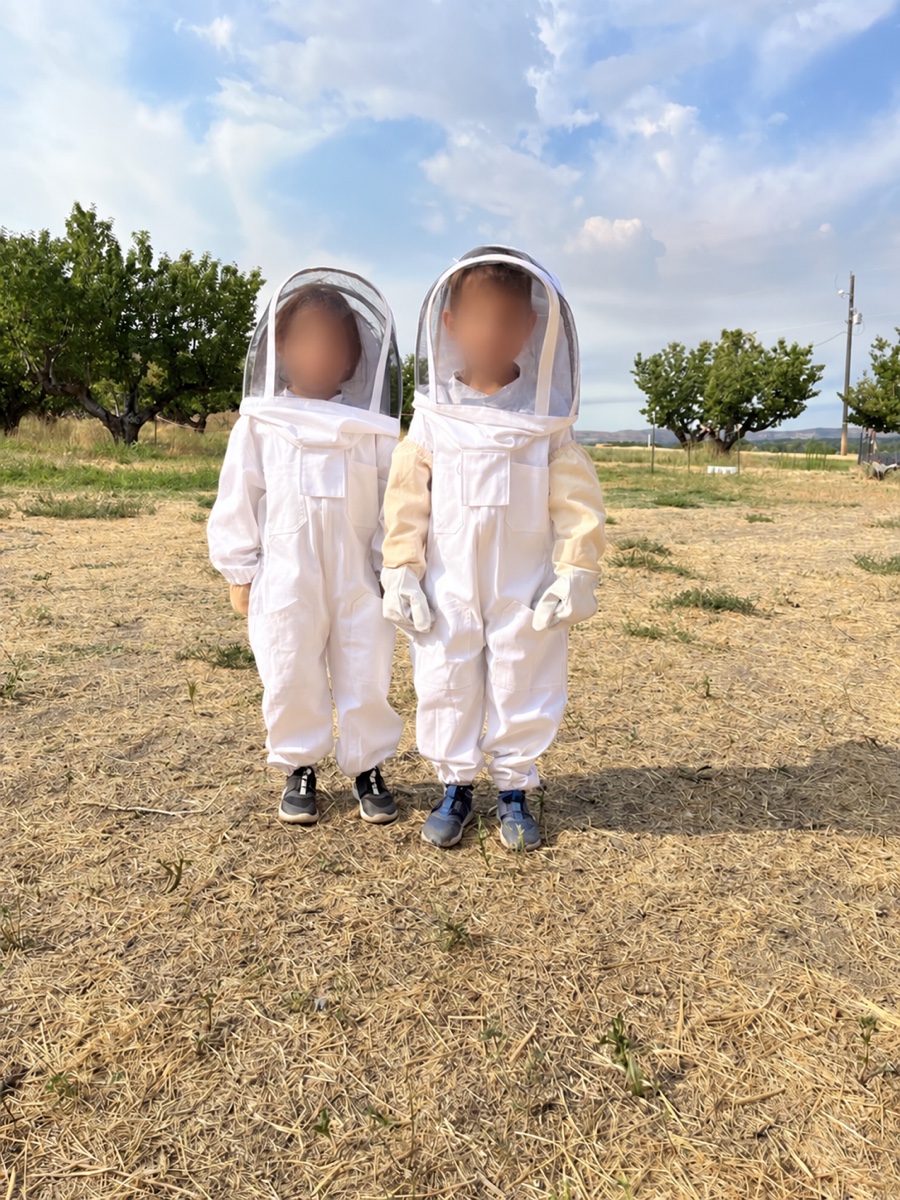
My grandchildren call me Pa. When it came time to name my honey, they couldn’t understand why I would call it anything else. To them, it was already Pa’s Honey.
They look forward to the harvest every year. My granddaughter loves the honey so much that the only thing she wanted for her birthday was honey!
That’s what makes this personal for me. I love tending the bees, and sharing their honey with my grandchildren makes the work even more meaningful. Every jar carries that family connection.
I served in the Navy for about 14 years, until a back injury prevented me from completing the 20 years I had planned. As a boatswain’s mate on a supply ship, I participated in Kuwait Liberation, Desert Shield, and Desert Storm. We transferred bombs, food, fuel, and other supplies to ships, often working more than 16 hours a day and doing it all again the next day.
The class I wished met more often
My interest in beekeeping began when I read about Heroes to Hives in a VA newsletter. It was a free Michigan State University program for veterans. The nine month program covered beekeeping extensively. I enjoyed it so much that I was disappointed the class only met once a month.
After the program ended, I helped a local beekeeper with her bees in Washington State to gain practical experience. She also let me keep a couple of my own hives on her property. That generosity helped me get started.
Putting down roots in Tennessee
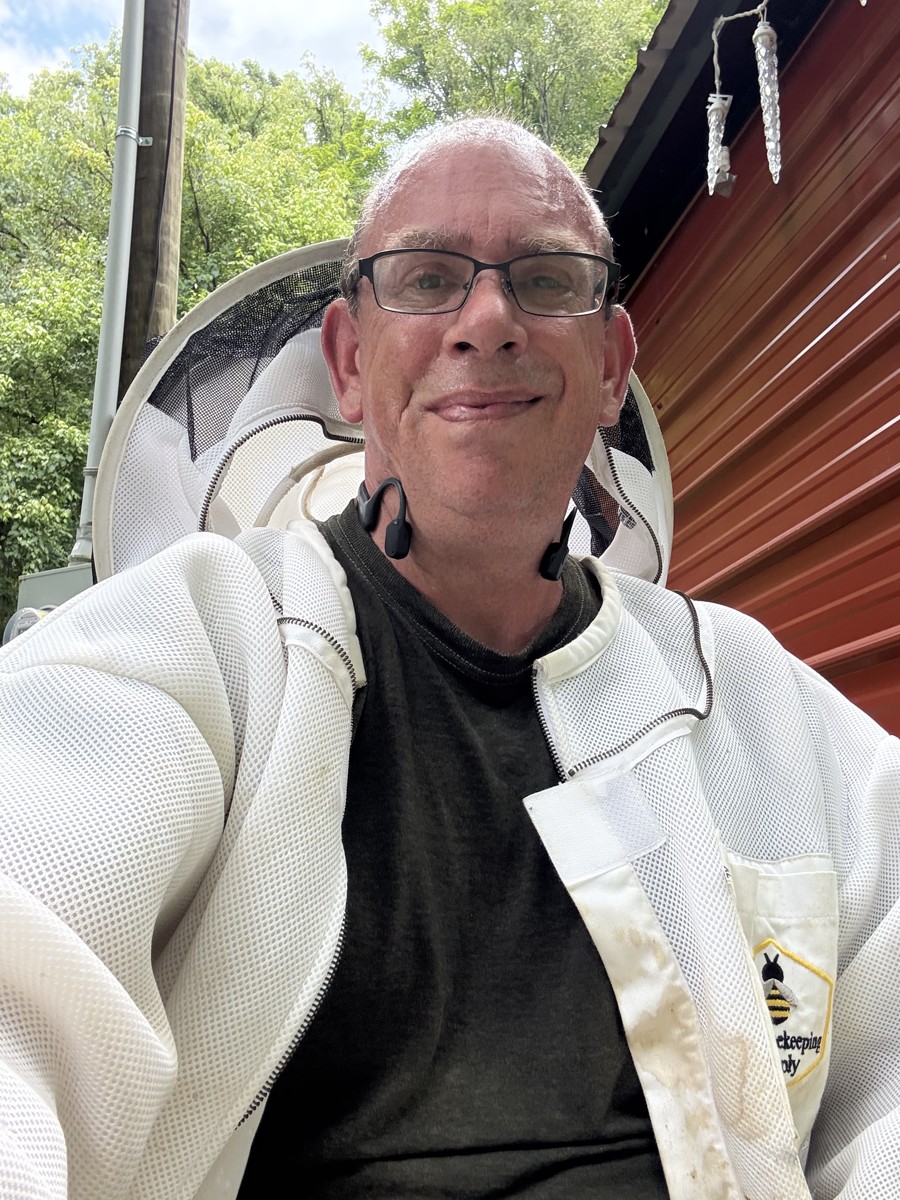
When I moved to Tennessee, I started again. By 2026, I had grown to 15 hives. I love tending the bees, even when a beekeeping jacket makes the Tennessee heat challenging. Working with them takes calm and focus, and I become completely absorbed in what I’m doing.
I’m always reading, researching, and observing the bees. Their society fascinates me. My back still presents challenges, but I can’t think of anything I would rather do.
I want to give back after serving. Caring for bees and supporting pollinators gives me an opportunity to make a positive contribution. That purpose is at the heart of Pa’s Honey.
Honey bees, native bees, butterflies, and other pollinators help many flowering plants produce seeds and fruit. Their work supports food crops, gardens, and the plants wildlife depend on.
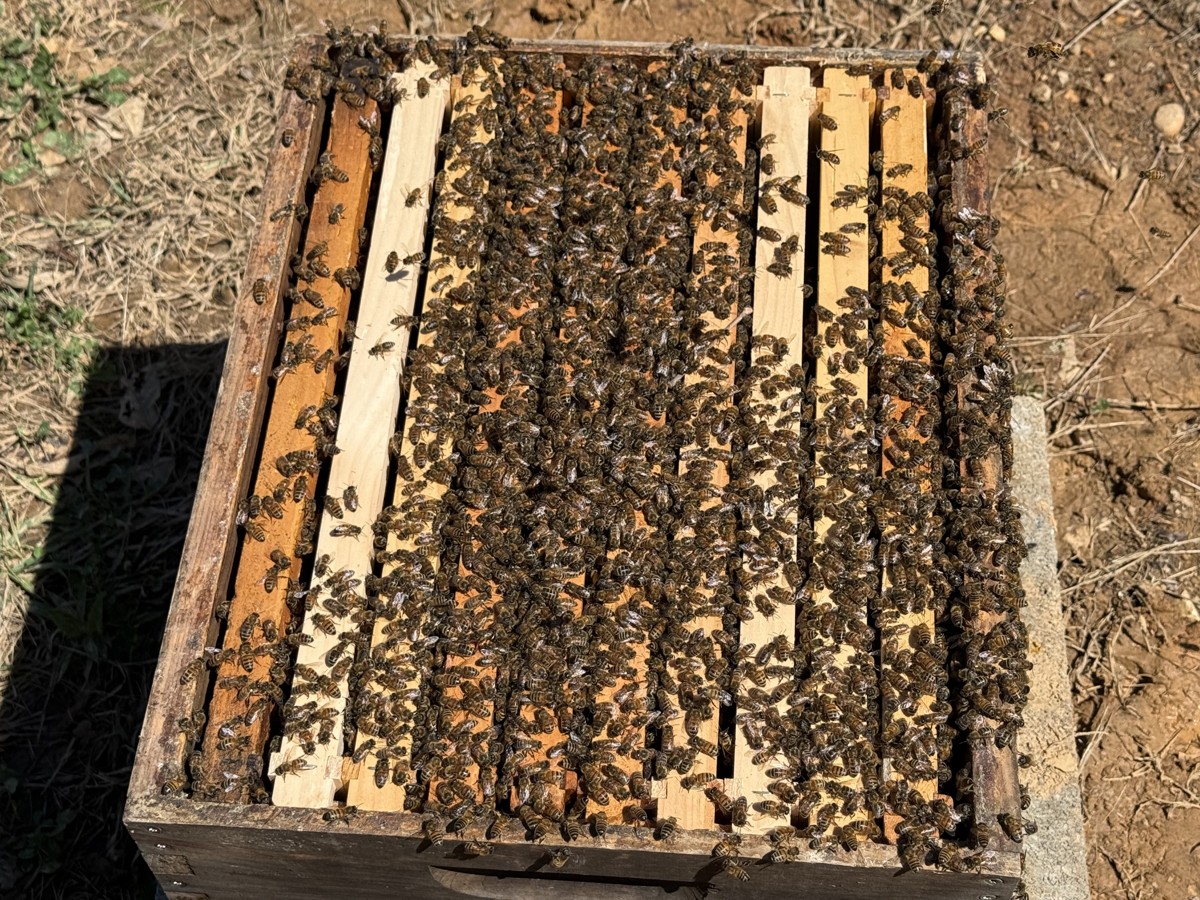
A closer look at the colonies behind every jar.
Every jar helps keep the work going
The price of local honey reflects far more than the jar on your table. Behind it are hive equipment, bees and queens, jars and labels, and many hours spent tending colonies, harvesting, and preparing the honey.
Colony losses make that work harder. Replacing lost colonies takes time and resources that could otherwise go toward growing the apiary. A difficult year can mean rebuilding just to keep going.
I keep bees because I love the work and believe it matters. When you buy directly from Pa’s Honey, you help support that care, the next harvest, and a local beekeeper’s commitment to the bees.
Why rebuilding colonies is part of beekeeping
Preliminary U.S. Beekeeping Survey results estimated annual losses of 39.9% of managed honey bee colonies from April 2025 to April 2026. The previous year’s estimate was 55.6%. Losses vary by beekeeper and year, but these figures show how much rebuilding the work can involve.
These are colony mortality estimates. Beekeepers can replace colonies during the year, so the loss figures do not represent an equivalent decline in the total number of managed colonies.
Native plants that bloom at different times of year provide food for pollinators through the growing season. A garden can help both managed honey bees and wild pollinators.
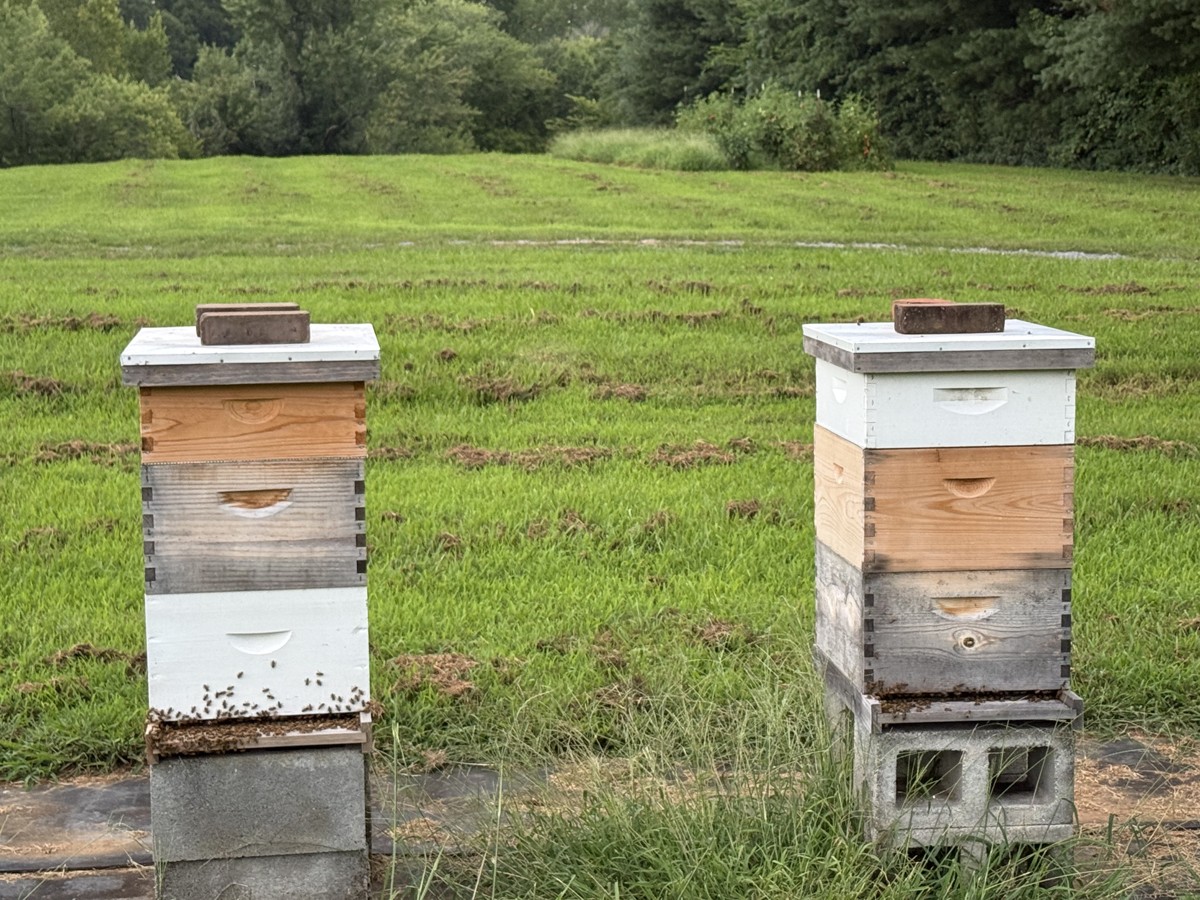
In 2026, Pa’s Honey has grown to 15 hives. My long term goal is around 125 hives across the business, so I can share more products from the bees. Today, our offering is 1 lb jars of pure honey. As we grow, we plan to offer more from our hives and more ways to learn about the bees.
Growing the apiary, one season at a time.
PLANNED FOR 2027
Pollen and comb honey
We’re planning to offer pollen and comb honey in 2027. Availability will depend on the season and harvest.
FUTURE PLANS
A shop and more to explore
Future plans include an online shop, recipes, and educational articles about honey and beekeeping.
IN DEVELOPMENT · BEGINNING BEEKEEPERS WANTED
New to beekeeping? Help shape Colony Keeper.
Colony Keeper is being designed to help you keep inspection records, notes, and photos together for each hive, track changes over time, and plan what needs attention next. The phone app is intended for quick recording during hive visits, with desktop review and planning between visits.
I’m looking mainly for beginning beekeepers to help test it. You don’t need years of experience. Your questions and feedback as you learn will help shape the product.
This first version focuses on beginning beekeepers. A version for professional beekeepers is planned for later.
In return for your testing and feedback, you’ll receive 90 days of access. The trial may be extended based on your feedback. Call or text Pa to volunteer and discuss testing availability and next steps.
I hope to visit local schools to talk about pollinators, beekeeping, and the important role pollinators play in our food supply. I’m also working toward getting an observation hive to bring on school visits, so students can see the bees at work.
School visits and classroom arrangements are still in planning.
These are future plans. For current honey availability, call or text Pa.
LET’S TALK HONEY
Good things start with a conversation.
Honey availability, apiary hosting, or beekeeping mentorship. Call or text Pa at (423) 920-1501.
We welcome inquiries from specialty stores interested in carrying Pa’s Honey. Call or text Pa to discuss wholesale pricing, order quantities, and availability.